
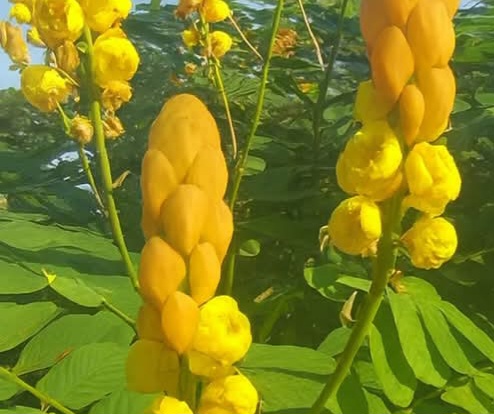
Senna alata: The Common Garden Plant With Surprising Health Benefits and Economic Potential
Senna Alata: The Garden Gem That Heals and Pays—Unlock Its Surprising Powers!

What if the vibrant shrub brightening your garden is secretly a medicinal marvel and a potential cash cow? Senna alata, commonly known as candle bush or ringworm shrub, is far more than a decorative plant with its striking yellow flowers and candle-like structure. This tropical powerhouse, native to the Americas but thriving across Asia, Africa, and Australia, has been a cornerstone of traditional medicine for centuries, treating everything from skin infections to digestive woes. Packed with potent compounds like anthraquinones and flavonoids, it’s now catching the eye of researchers and entrepreneurs alike for its health benefits and economic promise. Ready to discover how Senna alata can transform your wellness routine and open doors to financial opportunities? Let’s dive into the astonishing secrets of this garden gem and learn how to harness its magic safely!
Why Senna Alata Is a Hidden Treasure
Senna alata (Cassia alata), a member of the Fabaceae family, is a deciduous shrub that grows 3–4 meters tall, thriving in tropical and humid regions. Its vibrant, candle-shaped inflorescences and broad leaves make it a popular ornamental plant, but its true value lies in its medicinal and economic potential. Revered in traditional systems like Ayurveda, Sinhala medicine, and African herbal practices, Senna alata is used for skin ailments, digestive issues, and more. Its bioactive compounds—anthraquinones, flavonoids, tannins, and phenolic acids—deliver antifungal, antibacterial, anti-inflammatory, and laxative effects, making it a versatile remedy. Beyond health, its cultivation and processing into teas, soaps, and supplements offer lucrative opportunities, especially in regions like Nigeria and Southeast Asia. Let’s explore its top health benefits and how it’s shaping economic landscapes
use for diabetes management in Nigeria, India, and the Caribbean.
How to Use: Steep 1 teaspoon of dried leaves in 1 cup of hot water for 10 minutes. Drink 1 cup daily, 30 minutes before meals, for 2–3 weeks. Monitor blood sugar and consult a doctor if on diabetes medications.
7. Wound Healing Wonder
Its antimicrobial and anti-inflammatory properties accelerate wound healing by promoting cell growth and reducing infection risk. Studies confirm its efficacy in rodent models for burn and excision wounds.
How to Use: Apply a paste of 5 crushed leaves to clean wounds, cover with a bandage, and rinse after 20 minutes. Use twice daily for 5–7 days, stopping if irritation occurs.
8. Antimalarial Potential
In Africa, Senna alata is used traditionally for malaria. Studies on Plasmodium berghei-infected mice show its leaf extracts suppress parasitemia and improve survival time, supporting its ethnobotanical use.
How to Use: This requires professional guidance due to limited human studies. Consult an herbalist for safe preparation and dosage.
9. Prebiotic for Gut Health
Senna alata’s leaf extracts stimulate probiotic growth, like Lactobacillus species, fostering a balanced gut microbiome and easing digestive issues.
How to Use: Drink 1 cup of tea (1 teaspoon dried leaves) daily for 1–2 weeks to support gut flora, paired with probiotic foods like yogurt.
10. Skin Health Enhancer
Its antioxidant and anti-inflammatory properties combat oxidative stress, reducing fine lines, eczema, and psoriasis symptoms, promoting youthful, healthy skin.
How to Use: Use a cooled infusion (10 leaves boiled in 2 cups water) as a facial rinse twice weekly, or apply a leaf paste to affected areas for 15 minutes.
Economic Potential of Senna Alata
Senna alata’s health benefits translate into significant economic opportunities, particularly in tropical regions where it grows abundantly:
Herbal Medicine Market: In Nigeria, Senna alata is processed into capsules, pellets, teas, and soaps for skin infections and digestive health, tapping into the growing global demand for natural remedies. The global herbal medicine market is projected to reach $411 billion by 2026, and Senna alata’s versatility positions it as a key player.
Cosmetic Industry: Its antifungal and anti-inflammatory properties make it a prime ingredient for natural skincare products, like creams and soaps for acne, eczema, and ringworm. In the Philippines, it’s sold as “akapulko” soap, with growing export potential.
Agricultural Value: As a low-maintenance, drought-tolerant plant, Senna alata is ideal for small-scale farmers. Its seeds and leaves can be harvested for local and international markets, providing income in rural communities.
Ornamental Gardening: Its vibrant yellow flowers make it a popular ornamental shrub, sold in nurseries across Southeast Asia and Australia, adding to its economic appeal.
Research and Development: Ongoing studies on its antidiabetic, antimalarial, and wound-healing properties are driving interest in pharmaceutical development, potentially leading to patented drugs or supplements.
Sustainable Cultivation: Thriving in poor soils and requiring minimal water, Senna alata is a sustainable crop for agroforestry, supporting eco-friendly farming and soil restoration in degraded areas.
How to Use Senna Alata Safely
Senna alata’s potency demands careful use to avoid side effects. Here’s how to prepare it effectively:
Tea for Internal Use: Steep 1 teaspoon of dried leaves in 1 cup of hot water for 10–15 minutes. Drink 1 cup daily for up to 7 days for constipation or blood sugar support. Avoid prolonged use to prevent laxative dependency.
Topical Paste: Crush 5–7 fresh leaves with a few drops of water or coconut oil. Apply to skin infections or wounds for 15–20 minutes, rinsing thoroughly. Use 2–3 times weekly.
Infused Oil: Heat 10 leaves in ¼ cup of coconut oil on low for 20 minutes, cool, and strain. Apply to skin conditions twice daily for 1–2 weeks.
Sitz Bath: Boil 1 handful of leaves in 2 liters of water, cool to a warm temperature, and soak for 15 minutes to relieve hemorrhoids or skin irritation, 2–3 times weekly.
Safety Precautions
Senna alata is powerful but requires caution:
Limit Internal Use: Avoid using tea or extracts for more than 7–10 days to prevent diarrhea, cramps, or electrolyte imbalances. Long-term use may cause liver damage or laxative dependency.
Allergy Test: Apply a small amount of paste or infusion to a skin patch and wait 24 hours to rule out allergic reactions, like rash or itching.
Avoid During Pregnancy: Its abortifacient properties make it unsafe for pregnant women. Breastfeeding mothers should also avoid it due to limited safety data.
Medication Interactions: Senna alata may enhance diuretics, blood sugar-lowering drugs, or blood thinners, risking low blood pressure or hypoglycemia. Consult a doctor if on medications.
Harvest Safely: Pick leaves from pesticide-free areas and wash thoroughly. Use young leaves for milder flavor and higher potency.
Not for Serious Conditions: It’s not a substitute for medical treatment for severe infections, diabetes, or malaria. Always seek professional diagnosis.
Pro Tips for Maximum Benefits
Harvest Strategically: Collect leaves in the morning when active compounds are most concentrated. Choose vibrant, healthy leaves from young plants.
Combine with Other Herbs: Pair with turmeric for enhanced anti-inflammatory effects or ginger for digestive support, but limit combined teas to 1 cup daily.
Store Properly: Dry leaves in a shaded, airy spot and store in airtight glass jars for up to 6 months to preserve potency.
Monitor Effects: Track symptoms like skin clarity or digestive comfort to adjust usage. Stop if side effects occur and consult a professional.
Eco-Friendly Cultivation: Grow Senna alata in sunny, well-drained soil to support local biodiversity and reduce reliance on wild harvesting.