
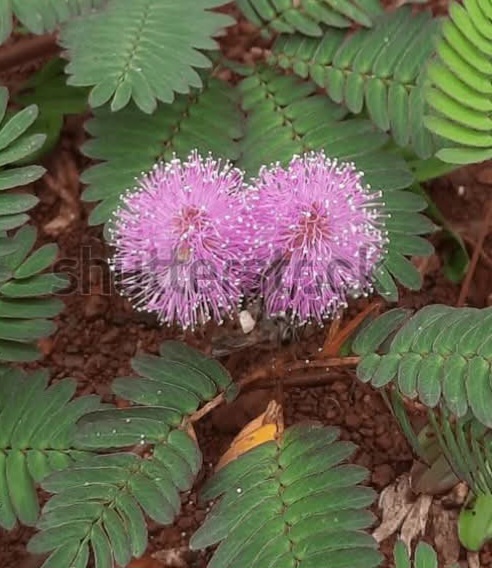
Ingredients:
- 1–2 teaspoons of dried Mimosa pudica leaves (or a mix of leaves and flowers)
- 1 cup (8 oz) fresh, filtered water
- Optional: Honey, lemon, or a pinch of licorice for flavor
Directions:
- Boil water in a kettle or saucepan.
- Place dried Mimosa pudica in a teapot or cup.
- Pour hot water over the plant material and cover to trap the volatile compounds.
- Steep for 5–10 minutes, depending on desired strength.
- Strain through a fine mesh sieve and add honey or lemon to taste, if desired.
- Sip slowly and enjoy the earthy, slightly herbal flavor.
Flavor Tip: If the tea tastes too earthy, try blending with calming herbs like chamomile or peppermint for a smoother profile.
4. When to Drink
- For relaxation or sleep support, enjoy a cup in the evening.
- For digestive relief, sip 1–2 cups daily, preferably after meals.
- Start with small amounts (1 cup daily) to assess tolerance.
Why Mimosa Pudica Is More Than a Curiosity
Mimosa pudica, native to South and Central America but now thriving in tropical regions worldwide, is instantly recognizable for its fern-like leaves that close up when touched—a phenomenon called thigmonasty. Beyond its playful nature, this plant has been a cornerstone of traditional medicine in systems like Ayurveda and Traditional Chinese Medicine for centuries. Its leaves, stems, roots, and even delicate pink flowers are packed with bioactive compounds like flavonoids, tannins, alkaloids, and mimosine, which contribute to its therapeutic potential.
Whether you’re seeking relief from digestive woes, a natural way to unwind, or support for skin health, Mimosa pudica tea offers a gentle, time-tested solution. Let’s dive into its incredible benefits and learn how to harness them safely.
The Remarkable Health Benefits of Mimosa Pudica Tea
Mimosa pudica tea is more than just a soothing beverage—it’s a versatile remedy with a range of potential health benefits. Here’s why it’s earning a place in modern wellness routines:
Soothes Digestive Discomfort
Struggling with bloating, diarrhea, or gut irritation? Mimosa pudica tea has been used traditionally to ease digestive issues. Its tannins and flavonoids provide an astringent effect, which may help reduce inflammation in the digestive tract and alleviate symptoms like diarrhea. Preliminary studies also suggest it could support gut health by combating harmful bacteria and parasites, making it a go-to for natural digestive relief.
Fights Harmful Microbes and Parasites
Mimosa pudica’s antimicrobial properties are a standout feature. Early research indicates that its extracts may inhibit certain bacteria and fungi, offering a natural defense against infections. In traditional practices, the plant is revered for its potential to address intestinal parasites, though clinical evidence is still emerging. Drinking the tea may support a cleaner, healthier gut environment.
Reduces Inflammation
Inflammation is at the root of many chronic conditions, from joint pain to skin issues. Mimosa pudica contains anti-inflammatory compounds like flavonoids and tannins, which may help ease mild inflammation when consumed as a tea. Traditionally, it’s also been applied topically to reduce swelling and promote healing in minor wounds or irritations.
Promotes Calm and Better Sleep
Feeling stressed or struggling to unwind? Mimosa pudica tea is prized for its mild sedative and calming effects. Traditional sources and anecdotal reports suggest it can help reduce anxiety, soothe frazzled nerves, and promote restful sleep. While robust clinical studies are limited, its use as a relaxing herbal infusion is well-documented in Ayurveda and other traditional systems.
Supports Skin Health and Wound Healing
Mimosa pudica’s healing properties extend to the skin. Traditionally, its leaves and roots are crushed into pastes for minor cuts, rashes, or insect bites. When cooled, Mimosa pudica tea can be used as a gentle wash for skin irritations, potentially aiding in repair due to its anti-inflammatory and antimicrobial effects.