
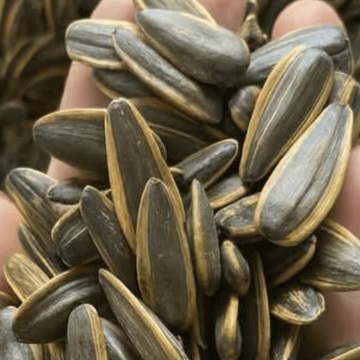
ingredients
1. A Nutritional Goldmine Awaits
Sunflower seeds are nature’s little gift, bursting with nutrients that can supercharge your health. Packed with healthy fats, protein, and fiber, they’re a snack that fuels your body. But that’s not all—vitamins like E and B-complex, plus minerals such as magnesium, selenium, and zinc, make these seeds a powerhouse. Just a small handful can boost your energy, strengthen your immune system, and keep your skin glowing. Who knew such a tiny seed could do so much? The catch? Moderation is key to unlocking these benefits without overloading your diet.
2. Calorie Bombs in Disguise
Here’s a reality check: sunflower seeds may be small, but they’re calorie-dense. A single ounce can pack over 160 calories, making it easy to overindulge without realizing it. If you’re watching your weight, mindless snacking could tip the scales against you. The solution? Measure your portions and pair them with low-calorie foods like fresh veggies to keep your diet balanced. Love the crunch but hate the calorie count? Keep reading to learn how to enjoy them guilt-free.
3. Sodium Overload Alert
That salty, addictive flavor of store-bought sunflower seeds comes at a cost. Many brands coat their seeds in heavy doses of salt, skyrocketing your sodium intake. Too much sodium can lead to high blood pressure, heart strain, and bloating that leaves you feeling sluggish. Want to keep your heart happy? Opt for unsalted varieties and season them yourself with spices like paprika or garlic powder for a flavor kick without the health risks. Curious about other pitfalls? The next fact will shock you.
4. Shells: A Hidden Danger
Popping whole sunflower seeds, shells and all, might seem harmless, but it’s a risky move. The tough shells can irritate your digestive tract, cause choking, or even lead to painful blockages. For kids, the risk is even higher. Stick to hulled seeds for a safer snack, and always chew thoroughly. If you’re a fan of the classic in-shell experience, spit out the shells to avoid trouble. Ready for a surprising twist? The next fact might make you rethink your seed obsession.
5. Allergies Could Strike
Sunflower seed allergies are rare but real—and they can be serious. From mild itching to life-threatening anaphylaxis, reactions can catch you off guard. If you’ve never tried sunflower seeds before, start with a small amount and watch for symptoms like swelling or difficulty breathing. Have a history of nut or seed allergies? Consult a doctor before diving in. Don’t let this scare you off, though—the benefits are worth it if you’re in the clear. Keep reading to uncover a sneaky nutrient blocker.
6. Anti-Nutrients Lurking Within
Sunflower seeds contain phytic acid, an “anti-nutrient” that can bind to minerals like iron and zinc, reducing their absorption. This doesn’t mean you should ditch the seeds, but it’s a reason to eat them strategically. Soaking or roasting sunflower seeds can lower phytic acid levels, making their nutrients more bioavailable. Pair them with vitamin C-rich foods like bell peppers to boost iron absorption. Want to maximize their heart-healthy perks? The next fact has you covered.
7. Your Heart’s New Best Friend
Sunflower seeds are a heart-health hero, thanks to their vitamin E and unsaturated fats. These nutrients fight inflammation, lower bad cholesterol (LDL), and keep your arteries clear. Regular snacking (in moderation) could reduce your risk of heart disease and keep your ticker in top shape. Sprinkle them on salads or blend them into smoothies for a heart-smart boost. But beware—there’s a dark side to improper storage that could ruin everything. Read on to find out.