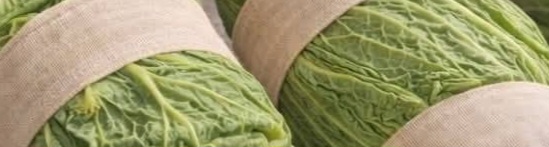
Understanding Bone-on-Bone Arthritis PainBone-on-bone pain typically occurs in osteoarthritis (the most common form of arthritis), especially in knees, hips, or spine, when protective cartilage thins or erodes over time. This leads to inflammation, swelling, and that grinding sensation many describe as unbearable.Studies from organizations like the Arthritis Foundation indicate that while no natural method reverses the condition, lifestyle changes can significantly ease symptoms by lowering inflammation and supporting joint function.But that’s just the start—let’s explore practical, evidence-supported ways to find relief.Heat and Cold Therapy: Quick Relief You Can Try TodayAlternating heat and cold is one of the simplest yet most effective tools for managing arthritis flare-ups.Heat boosts blood flow, relaxes tight muscles around joints, and reduces stiffness—perfect for mornings or before activity. Cold numbs sharp pain, slows inflammation signals, and eases swelling after overuse.Research supports this approach: Many experts recommend it as a first-line home strategy.How to apply it safely:Use a warm (not hot) heating pad or warm towel for 15-20 minutes.Follow with a cold pack wrapped in cloth for 10-15 minutes.Alternate as needed, but always protect your skin to avoid burns or frostbite.This bucket brigade of warmth and chill often provides fast comfort without any cost.Gentle Movement: The Power of Low-Impact ExerciseIt might feel counterintuitive when joints hurt, but staying active is key to breaking the cycle of stiffness and weakness.Regular movement strengthens muscles that support joints, improves flexibility, and even reduces pain signals over time. Guidelines recommend at least 150 minutes of moderate activity weekly.Evidence-based options include:Walking on flat surfaces or in water (hydrotherapy reduces joint pressure).Swimming or water aerobics—buoyancy eases strain while building strength.Tai chi or gentle yoga—studies show these improve balance, reduce stiffness, and enhance mood.Start slow: Even 10-minute sessions can help. A physical therapist can tailor moves to your needs.And here’s the interesting part—combining movement with other habits multiplies the benefits.Anti-Inflammatory Foods: Fuel Your Body to Fight DiscomfortWhat you eat influences inflammation levels throughout your body, including in your joints.A mostly plant-based or Mediterranean-style diet—rich in fruits, vegetables, whole grains, and healthy fats—has been linked in multiple reviews to lower pain and better function.Top foods to include more of:Fatty fish like salmon (for omega-3s that dampen inflammatory signals).Berries, cherries, and leafy greens (packed with antioxidants).Nuts, seeds, olive oil, and turmeric (curcumin in turmeric shows promise for reducing swelling in studies).Ginger—fresh or in tea—for its natural anti-inflammatory compounds.Aim to crowd out processed foods and excess sugar, which can worsen inflammation.The Surprising Cabbage Leaf Compress: A Time-Tested Home RemedyNow for that intriguing folk remedy mentioned earlier: cabbage leaves applied directly to sore joints.Cabbage contains glucosinolates and anthocyanins—natural compounds with anti-inflammatory potential. When leaves are prepared and wrapped around the area, some people report a cooling, soothing effect that eases swelling and tenderness.Step-by-step guide to try it:Select fresh outer cabbage leaves (green or red) and wash them well.Remove thick veins, then gently crush or roll the leaves to release juices (or briefly blanch in hot water for softness).Wrap the warm or room-temperature leaf around the painful joint.Secure with a soft bandage or cloth; leave on for 1-2 hours or overnight.Repeat daily as needed.While not a cure, many find it a comforting, low-risk addition. Always test a small area first for skin sensitivity.Supplements That May Offer SupportCertain supplements have shown modest benefits in research for joint comfort.Omega-3 fatty acids (from fish oil): Studies link 600-1,000 mg daily to less stiffness and tenderness.Turmeric/curcumin: Enhanced-absorption forms may help block inflammatory pathways.Ginger: Oral use has been associated with reduced discomfort in some trials.Evidence varies, so discuss with your doctor before starting—especially if you take medications.Additional Lifestyle Habits for Lasting ComfortBeyond the basics, a few more strategies can make a difference:Maintain a healthy weight: Even modest loss reduces pressure on weight-bearing joints (every pound lost eases about four pounds of knee stress).Prioritize sleep and stress management: Poor rest amplifies pain; techniques like deep breathing or mindfulness help.Consider complementary options like acupuncture: Some analyses find it useful for certain types of chronic joint pain.These build a holistic routine that addresses pain from multiple angles.Conclusion: Start Small, Feel the DifferenceManaging arthritic bone-on-bone pain doesn’t require drastic changes—just consistent, gentle steps like heat/cold therapy, movement, nourishing foods, and simple home remedies such as cabbage compresses. Many people notice gradual improvements in comfort and mobility when combining these approaches with medical guidance.Listen to your body, track what works best for you, and celebrate small wins along the way.FAQWhat is the fastest natural way to relieve arthritis joint pain?Heat or cold therapy often provides the quickest temporary relief—heat for stiffness, cold for swelling—within minutes of application.Can natural remedies replace arthritis medication?No, they work best as complements to your doctor’s plan. Always consult a healthcare provider before changing treatments.Is cabbage really effective for bone-on-bone pain?Anecdotal reports and its anti-inflammatory compounds suggest it can soothe symptoms for some, though more research is needed; it’s safe and inexpensive to try.Disclaimer: This article is for informational purposes only and not a substitute for professional medical advice. Natural approaches may help manage symptoms but do not cure arthritis. Consult your doctor before trying new remedies, especially if you have underlying conditions or take medications, to ensure safety and avoid interactions.
Search Results for: 7 Natural Ways to Ease Arthritic Bone-on-Bone Pain and Regain Comfort