
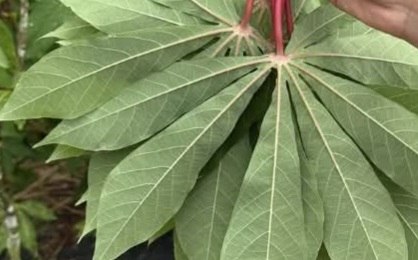
For generations, our fathers and ancestors relied on natural remedies to treat life-threatening conditions. One such traditional method involved the use of cassava leaves for snake bites—a practice rooted in indigenous knowledge and survival wisdom. While modern medicine is now the safest and most effective treatment, understanding these historical approaches offers valuable cultural insight.
Cassava (Manihot esculenta) is widely known as a staple food crop, but its leaves have also been used in folk medicine. In many rural communities, cassava leaves were believed to contain properties that could help neutralize toxins, including snake venom.
Step-by-Step Traditional Treatment for Snake Bites1. Chewing Fresh Cassava LeavesImmediately after a snake bite, the victim would chew a The paste was left on the bite for some timeIt was thought to draw out remaining venom from the skinCultural Significance of This PracticeThis method highlights the resourcefulness of our ancestors, who relied on available plants and traditional knowledge to handle emergencies. In areas where medical care was inaccessible, such remedies often meant the difference between life and death.Important Safety NoteWhile this traditional remedy is fascinating, it is crucial to understand:Snake bites are medical emergenciesModern treatment, including antivenom, is the only proven and safe solutionTraditional methods should not replace professional medical careConclusionThe use of cassava leaves for snake bites reflects a deep connection between humans and nature in traditional healing practices. Although science has advanced significantly, these ancestral methods remain an important part of cultural heritage and historical knowledge.If you’re interested in natural remedies and traditional medicine, exploring stories like this can offer meaningful insights—but always prioritize modern medical treatment in emergencies.