
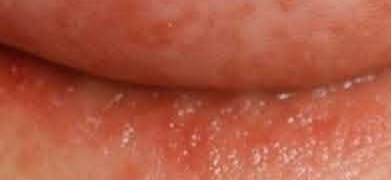
During winter, many people notice changes in their skin. Cold outdoor air combined with indoor heating often leads to dryness, irritation, and various skin problems.One common issue is an itchy rash under the breasts. This area is particularly sensitive because skin folds can trap moisture and heat, creating an environment where irritation and infections may develop.If your doctor isn’t available right now, there are several simple steps you can take at home to relieve discomfort and prevent the rash from getting worse.
1. Understand a Common Cause: IntertrigoA rash under the breasts is often caused by intertrigo, a condition that develops in skin folds where moisture, friction, and warmth accumulate.During winter, wearing multiple layers can increase sweating, especially in areas where skin touches skin.Common symptoms include:rednessitching or burningirritation or raw-looking skina mild odor if yeast or bacteria are presentRecognizing these signs early can help you manage the rash more effectively.
2. Watch for Warning Signs That Require Medical CareWhile many rashes improve with home care, certain symptoms require prompt medical attention.Seek urgent care if you notice:severe painrapidly spreading rednessfeverpus or fluid-filled blistersskin cracks that bleedThese symptoms may indicate a more serious infection that needs prescription treatment.
3. Clean the Area GentlyProper hygiene is important, but harsh cleaning can make the rash worse.Use:lukewarm watera mild, fragrance-free soapAvoid scrubbing the skin. Instead, gently wash the area and pat dry with a soft towel.
4. Keep the Area Completely DryMoisture is one of the main triggers of skin-fold rashes.After washing:gently pat the skin dryallow the area to air dryuse a fan or hair dryer on a cool setting if neededKeeping the area dry can significantly reduce irritation.
5. Apply a Protective Barrier CreamBarrier ointments help protect irritated skin from moisture and friction.Good options include:zinc oxide creampetroleum jelly (petrolatum)Apply a thin layer after cleaning and drying the area.
6. Consider an Over-the-Counter Antifungal CreamIf yeast may be involved, an antifungal cream can help.Common options include:clotrimazolemiconazoleApply the cream according to package instructions, usually twice a day.
7. Use Anti-Chafing Powders CarefullyPowders can help absorb moisture and reduce friction.Choose:talc-free powdersanti-chafing powders designed for sensitive skinAvoid cornstarch if a yeast infection is suspected, as yeast may grow more easily in it.
8. Wear Breathable ClothingClothing plays an important role in preventing irritation.Choose:cotton brasbreathable fabricsproperly fitting supportAvoid tight synthetic materials that trap heat and sweat.Some people find that wearing a thin cotton layer under clothing helps absorb moisture.
9. Relieve Itching with Cool CompressesIf itching is intense, a cool compress can help.Steps:soak a clean cloth in cool waterapply it to the area for 10–15 minutesThis may reduce inflammation and provide temporary relief.
10. Adjust Your Winter RoutineSmall lifestyle adjustments can help prevent flare-ups.Consider:taking shorter, lukewarm showersusing a humidifier indoorsswitching to fragrance-free laundry detergentThese changes can reduce skin irritation during the dry winter months.
11. Monitor the Rash at HomeKeep an eye on how the rash responds to home treatment.If it does not improve within about one week, or if it worsens, it is important to seek medical advice.
12. Prepare for Your Next Doctor VisitWhen you see your doctor, bring helpful information such as:photos of the rashproducts you usedany triggers you noticedquestions about preventionThis can help your healthcare provider make a faster and more accurate diagnosis.
Final ThoughtsAn itchy rash under the breasts can be uncomfortable, but in many cases it can be managed at home with gentle care, moisture control, and protective treatments.However, persistent or worsening symptoms should always be evaluated by a healthcare professional to rule out infections or other skin conditions.