
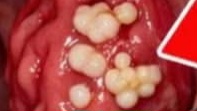
Have you ever coughed or cleared your throat and suddenly noticed a tiny white or yellowish lump with a strong, unpleasant odor?You’re not alone—and it doesn’t necessarily mean poor hygiene.
These are commonly known as tonsil stones (tonsilloliths)—a hidden but frequent cause of persistent bad breath that brushing, flossing, or mouthwash alone may not fully address.🤔 What Exactly Are Tonsil Stones?Tonsil stones are small, hardened deposits that form in the natural crevices (called crypts) of your tonsils.They develop when:Food particles, dead cells, and mucus get trappedBacteria (especially anaerobic types) break down this debrisMinerals in saliva (like calcium and phosphorus) gradually harden the mixture👉 They can be as tiny as a grain of rice—or grow as large as a pea. Some people experience them occasionally, while others notice them more frequently.
🤢 Why Do They Smell So Bad?The odor comes from volatile sulfur compounds produced by bacteria—similar to the smell of rotten eggs.👉 Even a single small tonsil stone can cause bad breath that lingers for hours.
🚨 Common Signs You May Have Tonsil StonesEven if you don’t see them, you might notice:Persistent bad breath despite good oral careA metallic or unpleasant taste in the throatFeeling like something is stuck in the throatWhite or yellow spots on the tonsilsMild but recurring sore throatEar discomfort (shared nerve pathways)Small hard lumps when coughingFrequent throat clearing or difficulty swallowing
👥 Who Is More Likely to Get Them?You may be more prone if you:Have larger tonsils or deeper tonsil cryptsAre a teenager or young adultExperience post-nasal drip or sinus issuesHad frequent tonsil infections in the past
🏠 Gentle Ways to Manage Them at Home👉 If the stone is visible:Carefully remove it using a clean cotton swab or a low-pressure oral irrigatorRinse with warm salt water afterward🔁 Daily habits that may help reduce buildup:Gargle with warm salt water or alcohol-free mouthwash at nightStay well hydrated (dry mouth can worsen buildup)Clean your tongue regularlyConsider gentle nasal rinsing if excess mucus is present
🌿 A Simple Natural Spray (Optional)Some people choose to try a gentle spray:Mix:200 ml warm water1 teaspoon salt3–4 drops food-grade peppermint oil or grapefruit seed extractSpray lightly toward the tonsil area 3–4 times daily.👉 Some individuals report reduced buildup over time.
🩺 When Should You Seek Medical Advice?Consider consulting a healthcare professional if:Stones are larger than ~5–6 mm or painfulThere is bleeding when trying to remove themSwelling occurs on only one sideYou experience frequent or recurring infections
📊 Quick Comparison of ApproachesMouthwash alone: may freshen breath temporarily, but doesn’t remove stonesSalt water + irrigation: supports removal and helps reduce recurrenceMedical treatment: may offer longer-term solutions in persistent cases
💡 Final ThoughtIf you’re dealing with this, it doesn’t mean you’re neglecting hygiene.Sometimes, it simply comes down to natural tonsil structure.With consistent care and simple daily habits, many people notice improvement in just a few days.
⚠️ Disclaimer: This content is for informational purposes only and does not replace professional medical advice. If symptoms persist or worsen, please consult a qualified healthcare provider.