
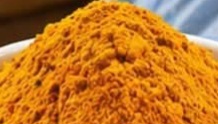
You love adding turmeric to your meals or taking it as a supplement for its well-known potential to support overall wellness. But what if some of your favorite foods or daily medications are secretly working against it? Many people enjoy turmeric every day without realizing that certain combinations could lead to unwanted effects like increased bruising risk, less efficient nutrient uptake, or unexpected stomach discomfort. The good news is that by learning a few simple adjustments, you can keep enjoying this golden spice more confidently and effectively.
But here’s the part most people miss until they read further: small changes in timing and choices can make a real difference in how your body responds.Turmeric has natural properties that can influence platelet activity and blood clotting. When combined with other substances that have similar effects, the combined action may increase the chance of bruising or bleeding more easily.
Here’s the surprising truth: many everyday items you might not suspect can add to this effect.Common examples to watch for include:Garlic and ginger (both fresh and in supplement form)Ginkgo bilobaVitamin E supplements (especially higher doses)Prescription blood-thinning medications such as warfarin, clopidogrel, or aspirinStudies and medical reviews note that curcumin’s mild antiplatelet action can amplify these effects. If you take any of these regularly, spacing them out or checking with your healthcare provider helps you stay on the safe side. But that’s not the only area where careful pairing makes a difference.2. Iron-Rich FoodsAnother area that often surprises people is how turmeric can interact with iron from your diet. Curcumin may bind to iron in the digestive tract, which research indicates can reduce how much your body absorbs from food – sometimes by a significant amount.
This matters most for certain groups, including people who already have lower iron levels, women during or after pregnancy, or growing children. Eating turmeric at the same time as iron-heavy meals could mean your body misses out on some of that important mineral.Foods and items particularly high in iron include:Red meat and organ meatsEggsLeafy green vegetables like spinach and kaleFortified cereals and breadsThe good news is you don’t have to give up either one. Simple timing adjustments – such as enjoying your turmeric-rich golden milk a couple of hours away from iron-rich meals – can help your body get the most from both.3. Stomach Acid-Reducing MedicationsTurmeric is often praised for its traditional role in supporting digestive comfort, yet it can sometimes influence stomach acid production in ways that affect certain medications. Specifically, curcumin may stimulate acid release, which could potentially reduce how well acid-reducing drugs work or lead to temporary discomfort in sensitive stomachs.Common antacid and acid-reducing medications that fall into this category include:Tagamet (cimetidine)Pepcid (famotidine)Zantac (ranitidine – where still available)Nexium (esomeprazole)Prevacid (lansoprazole)If you rely on these medications for heartburn or reflux management, paying attention to when you take turmeric can prevent that frustrating “why isn’t this working as well?” feeling. Many people notice better results simply by separating the two by a few hours.Practical Tips for Safely Enjoying Turmeric Every DayNow for the part you’ve been waiting for – the actionable steps that put you in control. These small habits take just minutes to adopt but can make your turmeric routine feel more predictable and supportive.Here are five easy ways to use turmeric more mindfully:Separate turmeric supplements or concentrated doses from blood-thinning items and iron-rich meals by at least 2–3 hours.Talk with your healthcare provider before starting turmeric supplements if you take any prescription medications.Stick to culinary amounts in cooking most days – these are generally well-tolerated by most people.Pair turmeric with black pepper (piperine) in recipes to support absorption, but still respect the timing rules above.Track how you feel for the first couple of weeks after any changes so you can fine-tune what works best for your body.The key is consistency with smart spacing rather than giving up turmeric altogether. Most people find they can keep it as a daily favorite once they follow these simple guidelines.ConclusionTurmeric remains a beloved spice with a long history of traditional use, and understanding its interactions helps you enjoy it even more confidently. By being aware of blood-thinning combinations, iron-rich foods, and certain antacid medications, you can avoid minor setbacks and focus on what matters – feeling your best every day. Small timing tweaks and open conversations with your healthcare team go a long way.Remember, the goal isn’t perfection. It’s simply making informed choices that fit your lifestyle.Frequently Asked QuestionsCan I still cook with turmeric if I take blood-thinning medication?Yes, typical amounts used in cooking are usually much lower than supplement doses and are well-tolerated by most people. Still, it’s wise to mention your turmeric use to your doctor so they can monitor your specific situation.Is it safe to drink golden milk every morning if I have low iron?Golden milk can still be part of your routine – just try enjoying it a few hours away from iron-rich breakfasts or supplements. Many people with lower iron levels continue using turmeric this way without issues.Does black pepper affect any of these turmeric interactions?Black pepper helps your body absorb curcumin better, which is great for most people. However, it doesn’t change the need to space out blood thinners, iron foods, or antacids. Keep the same timing habits in place.DisclaimerThis article is for informational purposes only and is not intended as medical advice. Always consult your healthcare provider before making changes to your diet, supplements, or medications, especially if you have existing health conditions or take prescription drugs. Individual responses can vary.