
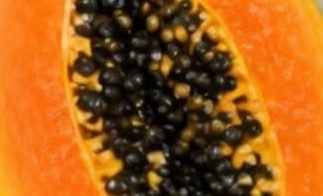
Have you ever scooped out the shiny black seeds from a fresh papaya and tossed them straight into the trash without a second thought? Most of us do exactly that every single time we enjoy this sweet tropical fruit. But what if those tiny, peppery seeds sitting in the center could actually offer some surprising wellness support in ways you never imagined?
That’s exactly why so many people are starting to look twice at papaya seeds instead of throwing them away. In this article, we’ll explore what the research says about these often-overlooked seeds, how they fit into everyday wellness routines, and practical ways you can incorporate them without any complicated steps. Keep reading until the end because there’s a simple preparation method that makes them surprisingly easy to use.Papaya seeds come from the center of the papaya fruit. They have a crunchy texture and a bold, slightly spicy flavor that reminds many people of black pepper or wasabi. While the sweet orange flesh of the papaya is well-known for its vitamins and enzymes, the seeds have their own unique nutritional profile that has caught the attention of wellness enthusiasts and researchers alike.
These small seeds are packed with fiber, healthy fats, and various plant compounds. They also contain an enzyme called papain, which is more concentrated in the seeds than in the fruit itself. This has led to growing interest in how papaya seeds might support normal digestive processes as part of a balanced diet.Several laboratory and small-scale studies have examined the potential roles of papaya seeds and their extracts. Research has explored their fiber content and enzyme activity in relation to normal digestive function. Other studies have looked at the antioxidant properties of the seeds and how they might support the body’s natural defenses against everyday stressors.One area that has received attention is the possible role of papaya seeds in supporting gut health. The combination of fiber and enzymes may help promote a comfortable digestive experience for some people when used in moderation as part of a varied diet.It’s important to note that most of the existing research involves extracts or concentrated forms rather than the whole seeds you find in your kitchen. Human studies are still limited, and results can vary from person to person. That’s why papaya seeds are best viewed as a complementary food choice rather than a replacement for professional medical advice or prescribed treatments.Here’s a quick comparison to help you understand how papaya seeds fit into a typical wellness pantry:
Many people report feeling that papaya seeds help with occasional bloating or sluggish digestion when incorporated thoughtfully. The fiber content can contribute to normal bowel movements, while the enzymes may assist in the breakdown of proteins in your meals.Some wellness communities also mention the seeds’ potential role in supporting liver function and detoxification pathways, though more research is needed in these areas. The antioxidant compounds found in the seeds may play a part in helping the body manage everyday inflammation and oxidative stress.
Another interesting angle is the antimicrobial properties observed in some lab studies. While this doesn’t mean papaya seeds replace any medical treatments, it does explain why some people experiment with them as a supportive food in their overall health strategy.Simple Ways to Prepare and Use Papaya Seeds at HomeReady to give papaya seeds a try? Here’s a straightforward, step-by-step guide that anyone can follow:Scoop them out — Cut a ripe papaya in half and use a spoon to gently remove the seeds from the center cavity.Rinse thoroughly — Place the seeds in a fine mesh strainer and rinse under cool running water to remove the sugary coating.Dry them properly — Spread the seeds on a clean plate or baking sheet and let them air-dry for 1–2 days, or use a low-temperature dehydrator/oven (around 100–120°F) for faster results.Store correctly — Once completely dry, keep them in an airtight container in a cool, dark place. They can last several months this way.Pro tip: Start with just ¼ to ½ teaspoon per day to see how your body responds. You can gradually increase the amount if you enjoy the taste and tolerate it well.Grind dried seeds into a fine powder and sprinkle over salads, yogurt, or smoothiesUse whole dried seeds as a peppery seasoning on savory dishes (similar to how you’d use black pepper)Mix a small amount of ground seeds into fresh lemon water or herbal teaBlend a few into homemade salad dressings for a subtle spicy kickMany people find that combining papaya seeds with other digestive-friendly foods like ginger, lemon, or pineapple creates a pleasant flavor profile while supporting overall wellness goals.Important Safety ConsiderationsWhile papaya seeds are generally recognized as safe when used in small amounts as a food, there are a few things to keep in mind:Pregnant or breastfeeding women should consult their healthcare provider before adding them to their dietPeople with latex allergies may want to be cautious, as papaya contains similar proteinsStart slow — too much at once can cause temporary stomach upset in sensitive individualsAlways choose ripe, fresh papayas from a trusted sourceAs with any new food, listening to your body is key. If you notice any discomfort, simply reduce the amount or stop using them.
Frequently Asked Questions About Papaya SeedsCan I eat papaya seeds raw without drying them? Yes, some people enjoy them fresh and slightly chewy right from the fruit. However, drying them makes the flavor milder and allows for longer storage and easier grinding.How much papaya seeds should I consume daily? Most people start with ¼–1 teaspoon of dried and ground seeds per day. It’s best not to exceed 1–2 teaspoons without guidance from a healthcare professional.Do papaya seeds taste good? They have a bold, peppery taste that not everyone loves at first. Many people describe it as a cross between black pepper and horseradish. Mixing them with other flavors helps most beginners enjoy them.Are papaya seeds safe for kids? It’s generally recommended to consult a pediatrician before giving them to children, especially in powdered form.Final Thoughts: A Simple Kitchen Habit Worth TryingPapaya seeds represent one of those quiet kitchen discoveries that can help stretch your wellness budget while adding variety to your meals. They won’t replace a balanced diet, regular exercise, or medical care when needed — but they can be a thoughtful, low-cost addition for many people looking to support everyday digestive comfort and overall vitality.Next time you cut into a fresh papaya, consider saving those seeds instead of tossing them. With just a few minutes of preparation, you might discover a new favorite way to add a bit of natural spice and potential wellness support to your routine.Disclaimer: This article is for informational and educational purposes only. It is not intended to diagnose, treat, cure, or prevent any disease. Always consult with a qualified healthcare professional before making significant changes to your diet or supplement routine, especially if you have existing health conditions or are taking medications.