
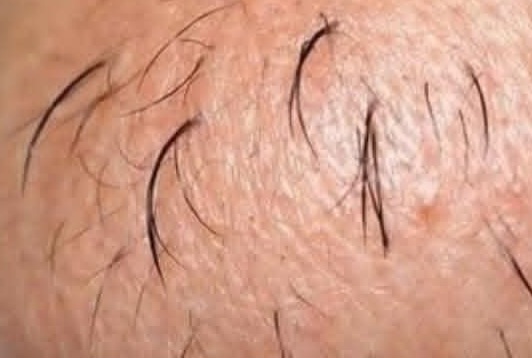
Many women are surprised to discover that chin whiskers are more common than they think. These small facial hairs vary widely—some are soft and nearly invisible, while others are thick and dark. For some, it’s just a few strands here and there; for others, facial hair growth may be more noticeable. Understanding why chin hair appears is essential to managing it effectively. It’s also crucial to know that for many women, chin whiskers are a normal occurrence, often influenced by hormones, genes, and certain health conditions.What Causes Chin Hair in Women?Just like the rest of your body hair, chin hair grows according to a natural cycle consisting of three stages: growth (anagen), transition (catagen), and rest (telogen). Hormones known as androgens—such as testosterone—play a key role in stimulating this growth. Although all women produce androgens in small amounts, an imbalance or increased sensitivity to these hormones can trigger more visible hair growth. Genetics also play a part—if your DNA favors dense hair follicles, you’re more likely to see chin whiskers.Hormonal Influences: A Major FactorHormonal changes are among the most common reasons for chin hair in women. Conditions like polycystic ovary syndrome (PCOS) often lead to elevated androgen levels, resulting in a condition known as hirsutism—excess hair in areas typically associated with male patterns. The onset of menopause can also cause hormonal shifts, particularly a drop in estrogen, leading to an imbalance that favors facial hair growth. Medications, including hormonal contraceptives or hormone-based therapies, may also influence hair development on the face.The Role of Genetics and EthnicityYour family tree may hold the answers to your facial hair questions. If your mother, aunt, or grandmother experienced chin whiskers, chances are higher that you might as well. Genetics determine how sensitive your hair follicles are to hormones. Additionally, women of Middle Eastern, South Asian, or Mediterranean descent are statistically more likely to experience noticeable facial hair due to genetic predispositions.Health Conditions Associated With Excess Facial HairWhile PCOS is a leading cause, it’s not the only one. Disorders involving the adrenal glands, such as Cushing’s syndrome or certain adrenal tumors, can cause excessive androgen production. Conditions like hypothyroidism may also alter hair growth. If chin hair appears suddenly or becomes much more noticeable, it’s wise to seek medical advice to rule out underlying health issues.The impact of chin whiskers goes far beyond the mirror. Here are ten common effects women may experience:Feeling embarrassed or self-consciousAnxiety over appearanceCostly and time-consuming hair removal routinesSkin irritation from frequent removalHesitancy in social situationsLow self-esteem and body image issuesCompulsive grooming behaviorAvoidance of close interactionsWorry about potential health issuesDepression or anxiety stemming from it
Emotional and Psychological EffectsFor many women, facial hair can take a toll emotionally. It’s not just about appearance—feelings of shame or discomfort can lead to social withdrawal, low confidence, or persistent anxiety. Cultural beauty ideals often demand smooth, hair-free skin, intensifying the pressure women feel. Addressing these emotional impacts through support groups or counseling can be an important part of managing this condition.
Cultural Expectations and Shifting AttitudesSociety plays a powerful role in shaping how women view facial hair. In many cultures, visible facial hair is stigmatized, contributing to feelings of inadequacy or a sense of not fitting beauty norms. Thankfully, body positivity movements and broader conversations about self-acceptance are beginning to shift these outdated standards. Some women are now choosing to embrace their natural hair and redefine beauty on their own terms.
Hair Removal Options: From Quick Fixes to Long-Term SolutionsThere’s no one-size-fits-all solution when it comes to facial hair removal. Popular short-term methods include:TweezingWaxingShavingDepilatory creamsFor more lasting results, consider:Laser hair removal – targets hair follicles to slow growthElectrolysis – permanent hair removal optionPrescription creams like eflornithine – reduce hair growth rateIt’s important to match your hair removal method to your skin type and sensitivity. Consulting a dermatologist can help avoid irritation and choose the safest route.
When to See a DoctorIf facial hair growth increases suddenly or is paired with other symptoms—such as irregular periods, acne, or weight gain—don’t ignore it. A medical evaluation may include hormone testing, blood panels, or imaging to check your ovaries or adrenal glands. Identifying any medical condition early can lead to better treatment outcomes and peace of mind.
Natural Remedies and Lifestyle AdjustmentsAlongside medical treatments, lifestyle changes can support hormone balance and reduce symptoms. These include:Maintaining a healthy weight, especially for PCOS sufferersEating a nutrient-rich diet with plenty of vegetables, fruits, and whole grainsDrinking spearmint tea, which may have anti-androgen effectsPracticing stress management through yoga, meditation, or other calming routinesWhile these remedies aren’t a cure-all, they may provide noticeable improvements over time.
Final Thoughts: Confidence Over ConformityChin whiskers can be bothersome, but they’re not something to be ashamed of. With the right knowledge and tools, you can manage them in a way that suits you—whether that means removing them or embracing them as part of who you are. The most important thing is choosing what makes you feel empowered and at ease in your own skin. You’re not alone, and support is always available.