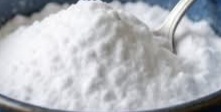
Baking soda is a common household ingredient widely used for cooking, cleaning, and deodorizing. In recent years, it has also become popular in skincare routines because of its exfoliating and deep-cleansing properties. While it may offer certain skin benefits, using baking soda on the face should be done carefully, as improper use can lead to irritation and skin damage.In this article, you’ll discover the potential benefits of baking soda for the skin, the risks associated with its use, and the safest ways to incorporate it into your skincare routine.
What Is Baking Soda?Sodium Bicarbonate, commonly called baking soda, is a white powder with alkaline properties. It is often used in baking, cleaning products, and natural home remedies. Due to its mild abrasive texture, many people use it as a DIY skincare treatment for exfoliation and oil control.However, dermatologists warn that baking soda can disrupt the skin’s natural barrier if overused.Benefits of Baking Soda for the Skin1. Natural ExfoliationOne of the main reasons people use baking soda on the face is its exfoliating effect. The fine particles help remove dead skin cells from the skin’s surface, leaving the complexion smoother and brighter.Regular but moderate exfoliation may help:Improve skin textureReduce dullnessPromote a fresher appearanceRemove surface impuritiesThis can be especially beneficial for people with rough or uneven skin texture.2. Deep Cleansing PropertiesBaking soda is known for its cleansing and odor-neutralizing abilities. When applied to the skin, it may help absorb excess oil and clear away dirt trapped in pores.Potential benefits include:Reducing excess sebumHelping unclog poresSupporting cleaner-looking skinMinimizing greasy shinePeople with oily skin may find it temporarily helpful as part of a controlled skincare routine.3. Soothing Minor IrritationSome individuals use baking soda to calm mild skin discomfort caused by:Insect bitesMinor itchingMild rednessTemporary irritationIts anti-inflammatory properties may provide short-term relief for certain skin conditions. However, it should never replace medical treatment for serious skin concerns.Risks of Using Baking Soda on the FaceAlthough baking soda has some skincare benefits, there are important risks to consider before applying it to your face.1. Disrupts the Skin’s Natural pHHealthy skin naturally has a slightly acidic pH, which helps maintain the protective skin barrier and defend against harmful bacteria.Baking soda is highly alkaline. Frequent use may:Disrupt the skin barrierIncrease sensitivityCause drynessLead to irritationMake the skin more vulnerable to infectionsThis is one of the biggest concerns dermatologists have regarding DIY baking soda treatments.2. Skin Irritation and DrynessBecause baking soda is abrasive, overuse can damage the outer layer of the skin. People with sensitive or dry skin are especially vulnerable.Possible side effects include:RednessBurning sensationPeelingTightnessExcessive drynessUsing baking soda too aggressively can worsen skin sensitivity instead of improving it.3. May Worsen Acne in Some CasesWhile baking soda may temporarily reduce oiliness, removing too much natural oil can trigger the skin to produce even more sebum.This rebound effect may lead to:More breakoutsIncreased inflammationIrritated acne-prone skinFor this reason, baking soda should not be considered a long-term acne treatment.How to Use Baking Soda on the Face SafelyIf you decide to try baking soda as part of your skincare routine, moderation is essential.1. Use a Small AmountMix about one teaspoon of baking soda with enough water to create a soft paste.How to apply:Gently massage onto damp skinAvoid the eye areaLeave on for no more than 1–2 minutesRinse thoroughly with lukewarm waterDo not scrub aggressively, as this can damage the skin barrier.2. Limit FrequencyBaking soda should never be used daily on the face.Recommended usage:Once a week for sensitive skinUp to twice weekly for oily skinOveruse greatly increases the risk of irritation and dryness.3. Perform a Patch Test FirstBefore applying baking soda to your face, test it on a small area of skin, such as the inside of your wrist or behind your ear.Stop using it immediately if you experience:BurningItchingSwellingRednessPatch testing helps reduce the risk of allergic or irritation reactions.4. Moisturize After UseAfter rinsing off baking soda, apply a gentle moisturizer to restore hydration and support the skin barrier.Look for products that are:Fragrance-freeNon-comedogenicSuitable for sensitive skinHydration is important to help prevent tightness and dryness after exfoliation.Who Should Avoid Baking Soda on the Face?Baking soda may not be suitable for everyone. It is generally best avoided by people with:Sensitive skinEczemaRosaceaExtremely dry skinOpen wounds or irritated acneIf you have chronic skin concerns, consulting a dermatologist is the safest option before trying DIY skincare remedies.Better Alternatives to Baking Soda for ExfoliationIf you want gentler exfoliation options, consider:Oatmeal scrubsLactic acid productsGentle enzyme exfoliantsLow-strength salicylic acidSoft facial cleansers designed for sensitive skinThese alternatives are often less disruptive to the skin barrier.Final ThoughtsBaking soda can provide temporary exfoliating and cleansing benefits when used carefully and in moderation. However, because it is alkaline and abrasive, excessive use may damage the skin barrier and cause dryness, irritation, or sensitivity.The safest approach is to use baking soda sparingly, monitor how your skin reacts, and avoid relying on it as a miracle skincare solution. Healthy skin typically responds best to gentle, balanced care rather than harsh treatments. If you experience persistent acne, severe dryness, or ongoing irritation, seeking advice from a dermatologist can help you find safer and more effective skincare solutions.Baking Soda on the Face: Benefits, Risks, and How to Use It Safely