
ingredents
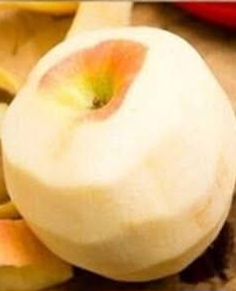
Do you usually toss apple peels in the trash or compost? Next time, don’t! Apple peels are full of nutrients, flavor, and natural compounds that make them perfect for creating your own homemade apple peel vinegar — a delicious, healthy ingredient you’ll want to keep in your kitchen.
Why Apple Peels Deserve a Second Life
Rich in Nutrients
Apple peels are loaded with fiber, vitamins, and antioxidants like quercetin, which can support heart health and reduce inflammation.
Naturally Flavorful
The peels give vinegar a sweet, fruity depth of flavor you won’t get from store-bought varieties.
Reduces Waste
Using apple peels helps you cut down on food waste and make the most of every apple you buy.
How to Make Apple Peel Vinegar
- Collect fresh peels
Use the peels from 3-4 washed apples. Organic apples are best if you want to avoid pesticides. - Place peels in a clean glass jar
Pack the peels loosely in a jar, filling it about halfway. - Add vinegar
Pour raw, unfiltered apple cider vinegar (or white vinegar if you prefer) over the peels until they’re fully submerged. - Cover the jar
Use a clean cloth or coffee filter secured with a rubber band to cover the jar. This lets the mixture breathe while keeping dust and bugs out. - Let it soak
Leave the jar at room temperature, out of direct sunlight, for 1-2 weeks. Stir gently every few days. - Strain and store
After soaking, strain out the peels and pour the infused vinegar into a clean bottle or jar with a lid. Store in the fridge for up to 2 months.
How to Use Apple Peel Vinegar
- Splash over salads as a sweet-tangy dressing.
- Add to marinades for chicken or veggies.
- Mix a teaspoon into warm water with honey for a comforting drink.
With this simple recipe, you’ll transform apple peels into a flavorful, health-boosting vinegar — and never look at apple scraps the same way again!