
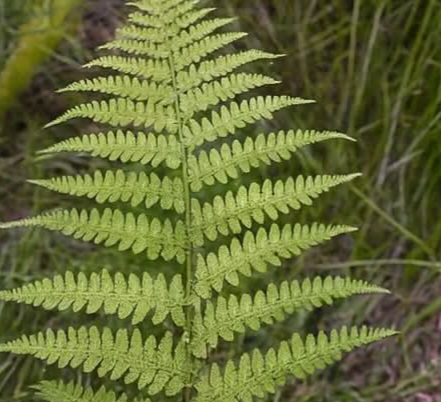
How to Use Fern Leaves Safely
Fern leaves offer incredible benefits, but preparation and selection are key to avoiding toxicity. Here’s how to incorporate them into your routine:
Edible Fiddleheads: Use young fronds of ostrich fern (Matteuccia struthiopteris), which are safe when cooked. Boil or steam for 10–15 minutes to remove potential toxins like thiaminase. Serve as a vegetable or in salads, 2–3 times weekly.
Tea (Infusion): Steep 1 teaspoon of dried maidenhair or lady fern leaves in 1 cup of hot water for 10 minutes. Drink 1 cup daily for up to 2 weeks for inflammation or digestive support. Strain well to remove fine hairs.
Poultice: Crush 5–7 fresh leaves (e.g., maidenhair) into a paste with a few drops of water. Apply to skin for 15–20 minutes for wounds or rashes, rinsing thoroughly. Use 2–3 times weekly.
Air-Purifying Plant: Grow Boston or sword ferns indoors in bright, indirect light. Water when the top inch of soil is dry and mist to maintain humidity for optimal air-cleaning benefits.
Safety Note: Never eat raw fiddleheads, as they can cause foodborne illness with symptoms like nausea or diarrhea. Avoid bracken fern (Pteridium aquilinum), which is carcinogenic when consumed regularly.
Safety Precautions for Fern Leaves
Ferns are potent but require careful use to avoid risks:
Choose Edible Species: Only consume fiddleheads from ostrich fern (Matteuccia struthiopteris), as others like bracken are toxic and linked to cancer. Always verify with a trusted source or botanist.
Allergy Test: Apply a small amount of fern paste or sip diluted tea and wait 24 hours to rule out allergies, especially if sensitive to Asteraceae plants (e.g., ragweed).
Avoid During Pregnancy: Some ferns, like maidenhair, may act as contraceptives or affect hormones, so avoid use if pregnant or breastfeeding.
Limit Consumption: Stick to moderate amounts (e.g., 1 cup of tea or ½ cup of cooked fiddleheads daily) to prevent digestive upset or toxicity from compounds like thiaminase.
Medication Interactions: Ferns may enhance diuretics or blood sugar-lowering drugs, risking low blood pressure or hypoglycemia. Consult a doctor if on medications.
Harvest Safely: Collect from pesticide-free areas (e.g., organic gardens or clean forests). Wash thoroughly to remove dirt or contaminants.
Avoid Overuse: Prolonged use (beyond 2–3 weeks) may cause muscle weakness or digestive issues in some fern species. Take breaks and monitor symptoms.
Pro Tips for Maximum Benefits
Harvest Young Fronds: Collect fiddleheads in spring (April–June) when they’re 2–6 inches tall and tightly coiled for peak flavor and nutrition.
Cook Thoroughly: Boil or steam fiddleheads for 10–15 minutes to neutralize toxins and enhance nutrient absorption. Pair with healthy fats like olive oil to boost vitamin A uptake.
Combine with Antioxidants: Add fern leaves to meals with vitamin C-rich foods (e.g., bell peppers) to enhance their antioxidant effects and immune support.
Eco-Friendly Growth: Grow ferns like Boston or lady fern in shaded, humid spots to purify air and reduce stress. Use well-draining soil and mist regularly.
Track Progress: Monitor improvements in vision, joint pain, or skin health to adjust usage. Keep a journal to note any side effects and consult a professional if needed.
Why Fern Leaves Stand Out
Fern leaves offer unique advantages over other remedies:
Nutrient-Dense: Packed with vitamins, minerals, and antioxidants, they rival superfoods like kale or spinach.
Versatile Uses: From edible fiddleheads to air-purifying houseplants, ferns serve health, culinary, and environmental purposes.
Eco-Friendly: Ferns thrive in low-light, moist conditions, making them sustainable for gardens or indoor spaces. They also remove soil toxins like arsenic.
Rooted in Tradition: Backed by centuries of use in Native American, Asian, and European medicine, with emerging science validating their benefits.
When to Seek Professional Help
Fern leaves are a supportive remedy, not a cure for serious conditions. Consult a healthcare provider if:
- You experience nausea, diarrhea, or allergic reactions after consuming ferns.
- You’re on medications for diabetes, blood pressure, or infections, as ferns may interact.
- Symptoms like joint pain, digestive issues, or vision problems persist beyond 2–3 weeks.
- You’re pregnant, breastfeeding, or have chronic conditions like kidney disease.
For serious health issues, rely on medical treatments and use ferns as a complementary remedy under professional guidance.
Embrace the Power of Fern Leaves Today
Fern leaves aren’t just greenery—they’re a wellness revolution, offering a surprising array of benefits from sharper vision to stronger bones and cleaner air. Whether you’re savoring fiddleheads, sipping a soothing tea, or growing a lush fern indoors, this ancient plant brings nature’s healing touch to your life. Why overlook these feathery fronds when they’re packed with health-boosting potential? Harvest responsibly, prepare carefully, and let fern leaves transform your wellness routine. Start your fern journey today and discover the vibrant, natural health waiting in every leaf!
This article is for informational purposes only and does not replace professional medical advice. Always consult a qualified healthcare provider before making changes to your health routine, especially if you have existing conditions or are taking medications.