
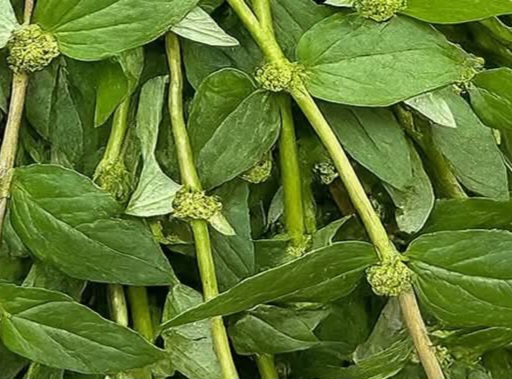
What Is Euphorbia Hirta?
ingredients
Euphorbia hirta is a small, hairy herb belonging to the spurge family (Euphorbiaceae). It typically grows in open fields, roadsides, and even between cracks in sidewalks. Despite its unassuming appearance, it holds a special place in folk medicine across tropical and subtropical regions.
Key Traditional Names
- Asthma weed – due to its use in respiratory conditions
- Snakeweed – believed to counter snake bites in folk practices
- Tawa-tawa – widely used in the Philippines as a dengue-supporting herb
Bioactive Compounds
- Flavonoids
- Tannins
- Phenols
- Terpenoids
- Alkaloids
These compounds make it a versatile plant for multiple therapeutic applications.
10 Impressive Health Benefits of Euphorbia Hirta
1. Supports Respiratory Health
Traditionally brewed as a tea, Euphorbia hirta has been used for asthma, bronchitis, and cough relief thanks to its bronchodilating and anti-inflammatory properties.
2. Aids in Dengue Recovery
In the Philippines, “tawa-tawa tea” is a popular traditional remedy believed to support platelet count and hydration during dengue fever recovery.
3. Antimicrobial Action
Extracts of Euphorbia hirta show antibacterial and antifungal properties, making it useful for wound cleaning and minor skin infections.
4. Reduces Inflammation
The flavonoids and tannins present help reduce swelling and joint pain, beneficial for arthritis or general inflammation.
5. Digestive Support
Traditionally, the plant has been used to treat diarrhea, dysentery, and stomach cramps. Its tannins contribute to gut-soothing effects.
6. Enhances Skin Health
Applied topically, its sap or leaf paste has been used for warts, boils, and fungal infections.
7. Balances Blood Sugar
Preliminary studies suggest Euphorbia hirta may help regulate blood glucose, making it of interest in diabetes management.
8. Pain Relief
Folk medicine often uses the plant as a mild analgesic for headaches, toothaches, and menstrual pain.
9. Supports Urinary Health
Its diuretic properties are used in some cultures to relieve urinary tract discomfort
10. Boosts Immunity
With its rich antioxidant profile, the herb helps the body defend against oxidative stress and supports general immunity.
Quick Reference Table
| Benefit | Traditional Use | Form |
|---|---|---|
| Respiratory support | Asthma, cough | Tea, decoction |
| Dengue recovery | Platelet support | Herbal infusion |
| Antimicrobial | Wounds, infections | Topical sap/paste |
| Anti-inflammatory | Joint pain, swelling | Decoction, compress |
| Digestive aid | Diarrhea, cramps | Tea |
| Skin health | Warts, boils | Topical |
| Blood sugar | Diabetes support | Decoction |
| Pain relief | Headaches, cramps | Tea |
| Urinary health | UTIs, discomfort | Tea |
| Immunity | General wellness | Tea, infusion |