
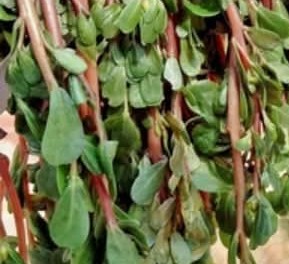
ingrédients
1. Health Benefits of Purslane
Source of Omega-3 Fatty Acids
Purslane stands out as one of the rare plant-based sources of alpha-linolenic acid (ALA), a type of omega-3 fatty acid. Omega-3s are essential for heart health, reducing inflammation, and supporting brain function. By adding purslane to your diet, you can support your cardiovascular system and overall well-being.
Antioxidants Galore
Packed with vitamins A, C, and E, as well as glutathione, purslane is a potent source of antioxidants. These antioxidants play a critical role in protecting cells from oxidative stress, which contributes to aging and the development of various diseases. Consuming purslane regularly can help prevent cellular damage and promote long-term health.
Anti-inflammatory Properties
Thanks to its omega-3 fatty acids and other anti-inflammatory compounds, purslane helps reduce inflammation throughout the body. This can alleviate discomfort from conditions like arthritis and play a role in preventing chronic diseases associated with inflammation.
Skin Care Powerhouse
The antioxidants in purslane benefit not just your internal health but also your skin. It accelerates healing, enhances skin appearance, and can even be used in homemade skin care remedies to promote smoother, healthier skin.
Mineral-Rich
Purslane is loaded with essential minerals such as calcium, magnesium, potassium, and iron. These minerals are crucial for maintaining bone health, muscle function, and proper cellular operations. Including purslane in your diet can help ensure that you’re meeting your body’s mineral needs.
Vitamin C Source
As a rich source of vitamin C, purslane helps bolster your immune system, aiding the body in fighting infections while promoting skin repair and regeneration. Vitamin C is also essential for collagen production, making it a key player in maintaining healthy skin.
Beta-carotene
High in beta-carotene, a precursor to vitamin A, purslane supports vision health, immune function, and skin integrity. Consuming purslane regularly can improve eye health and boost your body’s ability to fight off infections.
Melatonin Content
Purslane contains melatonin, a hormone that helps regulate sleep patterns. If you struggle with sleep issues, incorporating purslane into your diet could improve your sleep quality and contribute to better overall health.
Cholesterol Reduction
The betalain antioxidants found in purslane help reduce the risk of cholesterol buildup in blood vessels, effectively lowering LDL (bad) cholesterol levels. By adding purslane to your diet, you can promote heart health and reduce the risk of cardiovascular diseases.
Mood Regulation
Purslane also contains tryptophan, an essential amino acid that helps in the production of serotonin—a neurotransmitter that stabilizes mood and can help combat depression. Including purslane in your daily diet may improve mental well-being and mood.
2. How to Use It Properly
Now that we know the extensive health benefits of purslane, the next question is: how can we incorporate this superfood into our daily diet? Fortunately, purslane is incredibly versatile and easy to use in a variety of dishes. Here are some practical tips on how to include purslane in your meals.
Raw Consumption
- Salads: One of the simplest ways to enjoy purslane is by adding it raw to your salads. Its slightly tangy, lemony flavor and crisp texture complement other greens and vegetables, making it a delightful addition to any salad.
- Smoothies and Juices: For a quick, nutrient-packed boost, blend fresh purslane leaves into smoothies or juice them. This method preserves the omega-3 fatty acids, vitamins, and antioxidants, delivering them in a highly digestible form.
Cooked Dishes
- Sautéed Greens: Purslane can be sautéed with garlic and olive oil to create a simple and healthy side dish. It pairs well with both vegetarian and meat-based main courses.
- Soups and Stews: Adding purslane to soups and stews not only thickens the dish naturally but also infuses it with its health-promoting nutrients.
Innovative Uses
- Pesto: For a nutrient-dense twist on traditional pesto, replace some or all of the basil with purslane. This offers a new flavor profile while boosting the nutritional value of the sauce.
- Pickles: Purslane’s succulent stems and leaves can be pickled, creating a tangy and healthy condiment that can be used in sandwiches, salads, or as a topping for various dishes.
3. Tips for Incorporation
- Start Small: If you’re new to purslane, start by adding small amounts to dishes where you typically use other greens. Its mild, peppery flavor blends well with a variety of ingredients.
- Mix It Up: Combine purslane with other leafy greens like spinach, kale, or arugula to enjoy a variety of textures, flavors, and nutrients in your meals.
- Use It Topically: Purslane isn’t just for internal health—consider using it in your skincare routine! You can create a purslane extract or infusion and apply it as a facial rinse or add it to DIY face masks to benefit from its antioxidants.
Conclusion
Purslane is a nutritional gem that is often dismissed as a common weed, but its health benefits are undeniable. From boosting heart health and regulating cholesterol levels to supporting brain function and improving skin health, purslane offers a comprehensive range of advantages that make it a valuable addition to any diet. By incorporating this superfood into your meals, whether raw, cooked, or even in skincare, you can reap the numerous benefits this plant has to offer.
So, next time you see purslane growing in your garden or along the sidewalk, remember that it’s not just a weed—it’s a powerful superfood waiting to transform your health. Start using purslane today and enjoy its incredible benefits!